INTELLIGENCE FOR A CONNECTED PORT

See your port.
Shape what’s next.

Digital twins and operational intelligence.
Bringing clarity to a world in motion.

Explore our solutions
BUILT IN BUSAN. THINKING BEYOND.Scroll to explore

MEET FINDER

A clearer view.
A smarter
way forward.

Ports never stand still. Neither should the way we understand them.

FINDER brings digital twin visualisation and operational data together to help port and terminal teams see conditions, explore options and plan their next steps.

Discover our story
2022

Founded in Busan,
Republic of Korea

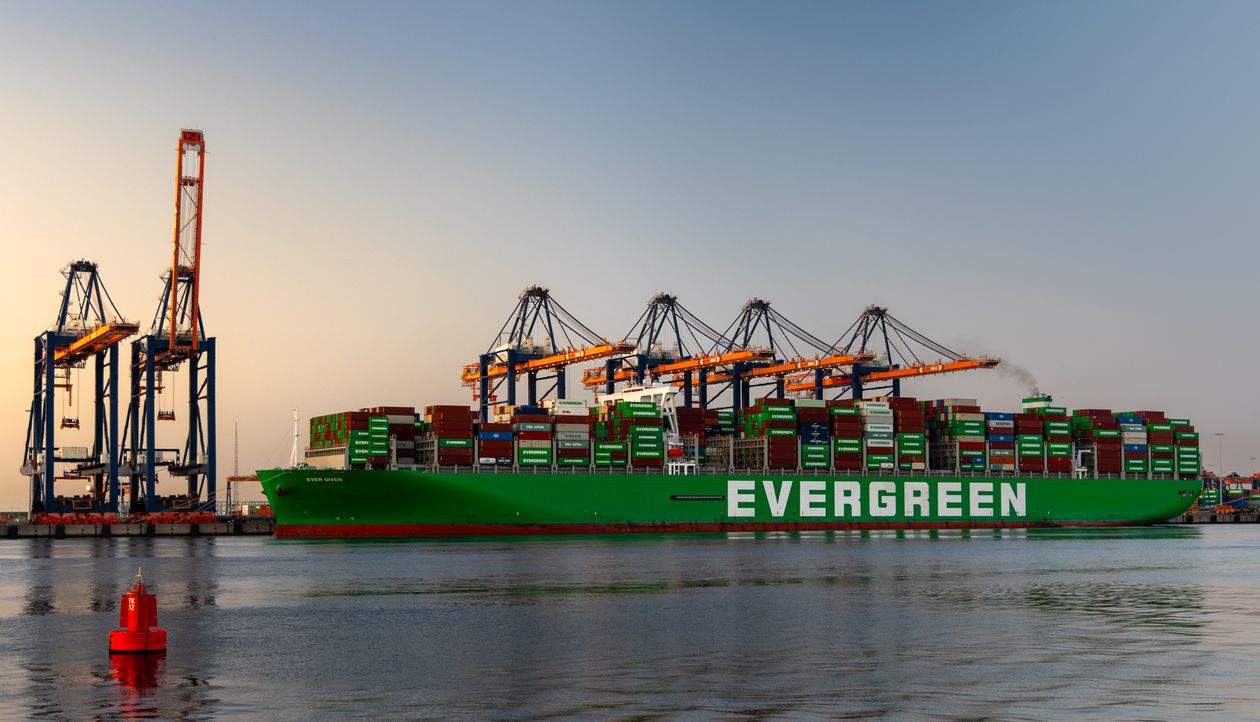
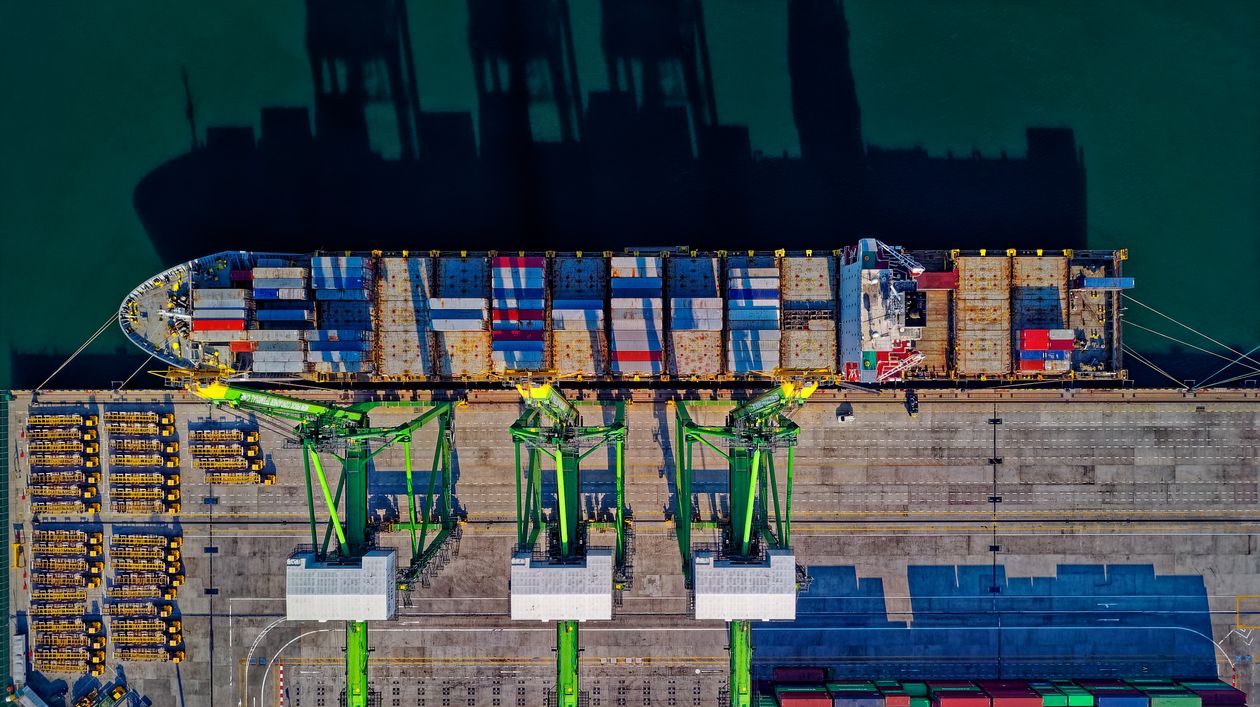
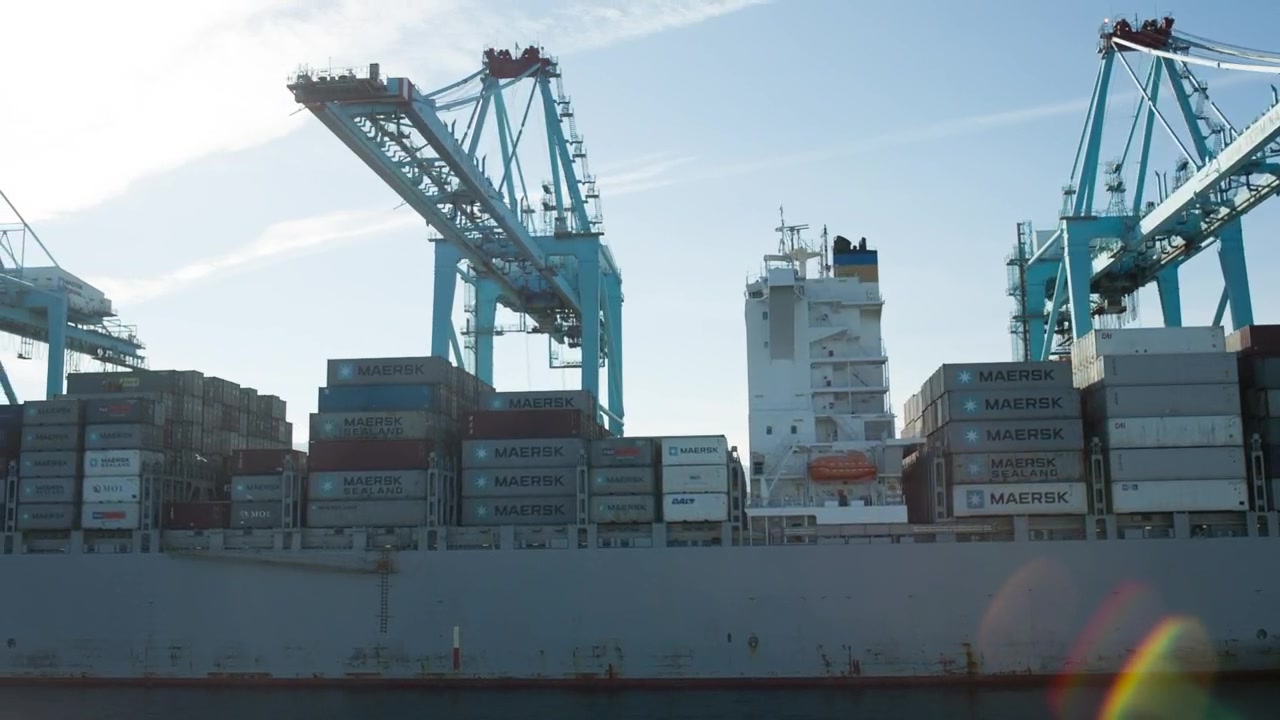
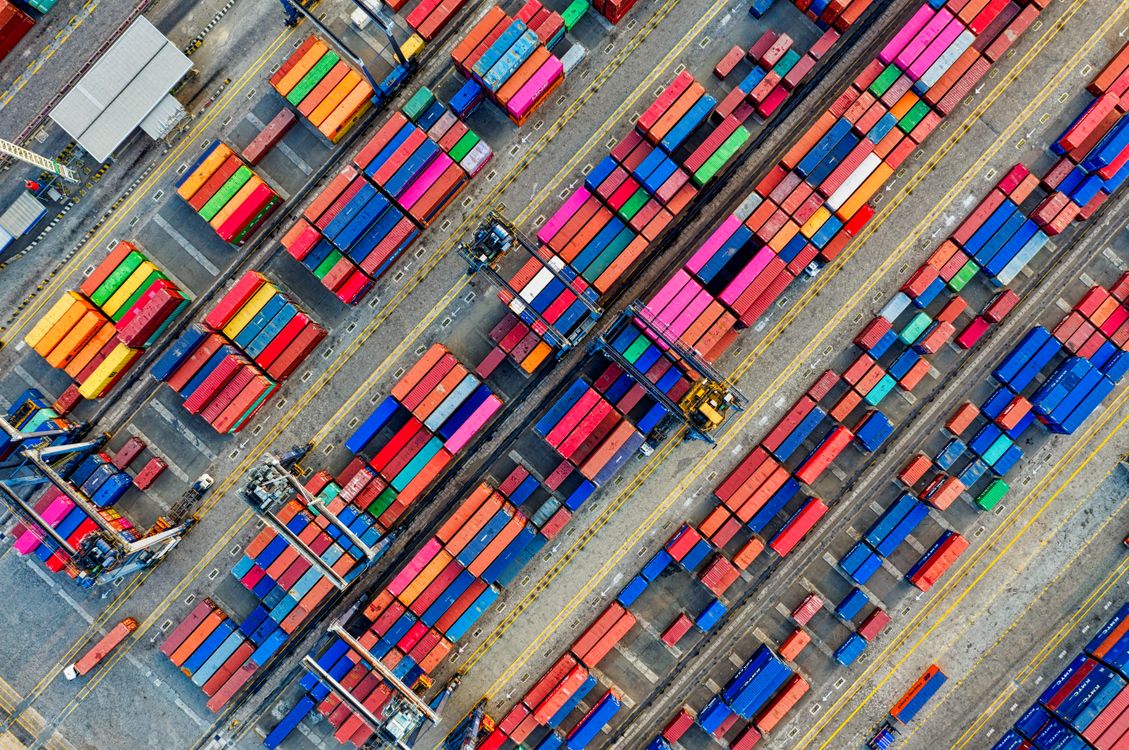
Aerial view of container cranes and terminal yardsA container vessel alongside port cranes
From the waterfront.
Built around real operations.
Working container terminal with cranes and vesselsTHE OPERATION COMES FIRST

DESIGNED AROUND YOUR REALITY

From isolated data
to a connected
perspective.

Every terminal has its own systems, constraints and priorities. We start there.

Connect what matters

Identify the data and operating context your team needs.

Make complexity visible

Put spatial and operational information into perspective.

Validate before expanding

Define a focused pilot and review it with your operators.

Our technology & approach

FROM DEVELOPMENT TO APPLICATION

Built with the
port in mind.

Explore our projects
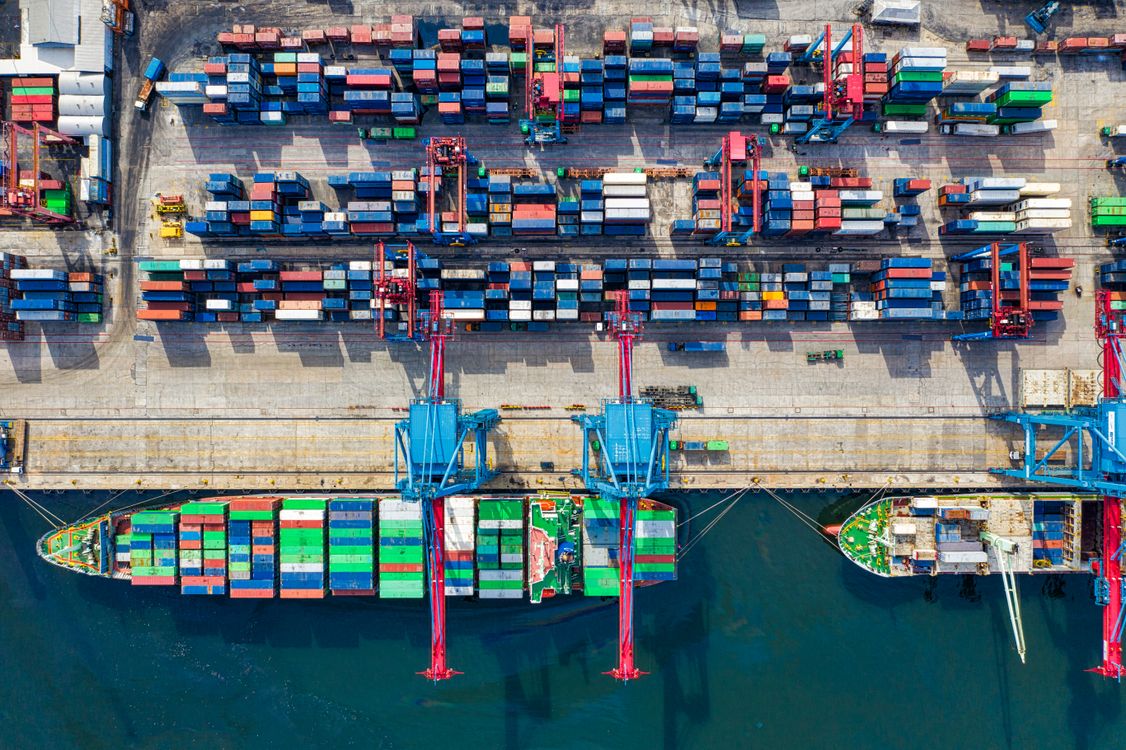
Container yard and terminal infrastructure

PORT DIGITALISATION

Understand the space.
Connect the operation.

Our development work spans port visualisation, operational monitoring and dispatch planning support, with a focus on how people use information on the ground.

Digital twinOperational dataPilot development
See our work

FINDER NEWSROOM

Our story, in the news.

All news & coverage

SMART PORT HUB

A world of smarter ports.

Explore the knowledge hub

Ideas, industry examples and the language of port digitalisation.

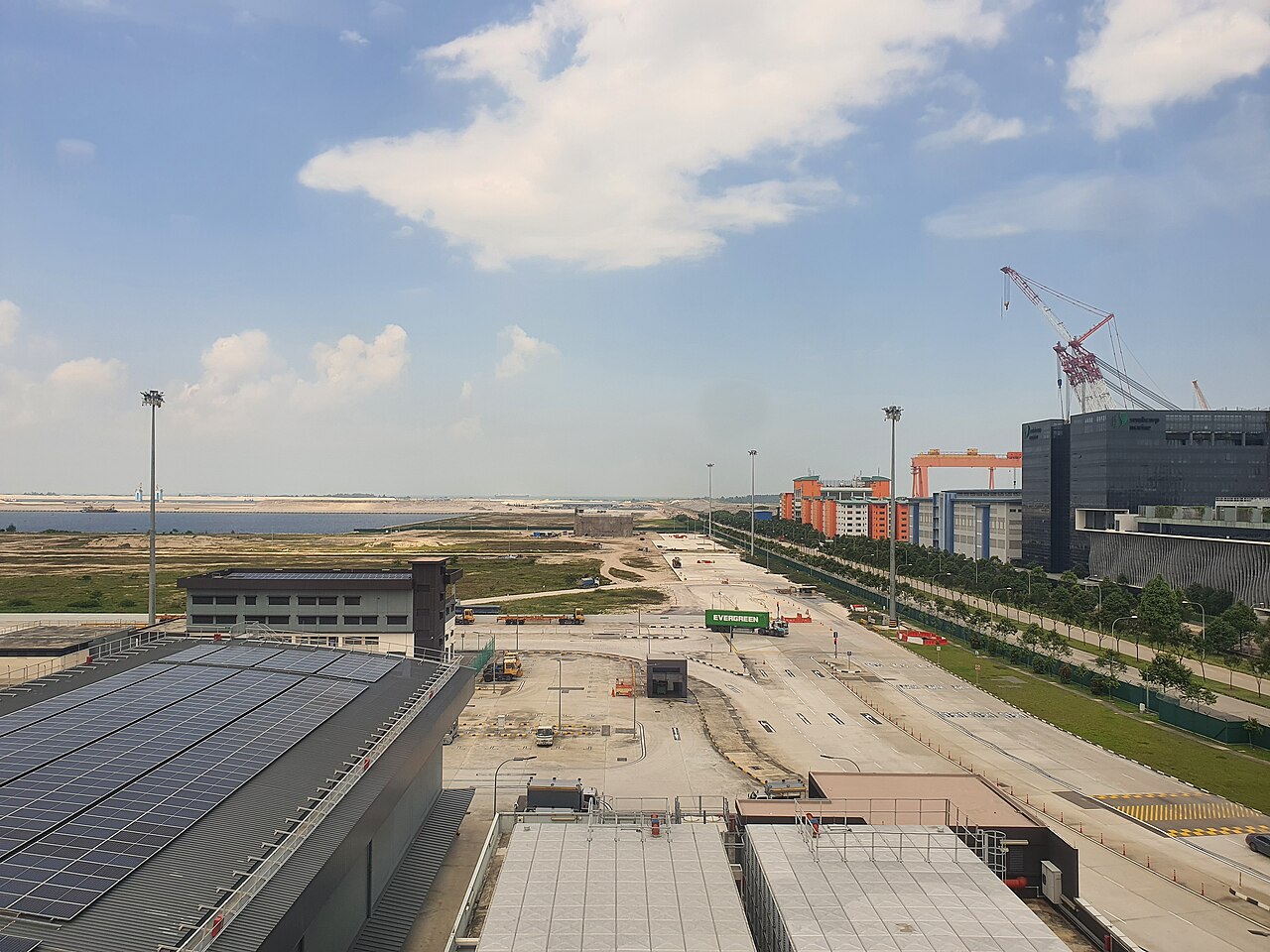
Industry examples from official sources. Tuas photograph: ZKang123, 2023 / CC BY-SA 4.0. Rotterdam: Igor Passchier / Pexels. Busan card uses illustrative port imagery. These are not FINDER deployments.

PORTS, EXPLAINED

A shared language.
A better understanding.

From digital twins to arrival planning, get to know the terms behind a smarter port.

Explore the port glossary
Digital TwinA digital representation of a physical environment

A digital model connected to information about a physical environment or process. In a port, it can combine spatial context with operational information to support understanding and analysis.

In practice View a terminal layout alongside available equipment or vessel information. A 3D model alone does not establish a live operational connection.

Source: Port of Rotterdam Authority
TOSTerminal Operating System

Software used to plan, coordinate and record the movement and storage of cargo within a terminal.

In practice Managing container inventory and coordinating berth, yard and gate activities.

Source: Kaleris
AISAutomatic Identification System

A shipboard system that automatically exchanges vessel identity, position and other information with ships and coastal authorities.

In practice Providing vessel-position context for a port view. AIS data availability and quality need to be considered for each use.

Source: International Maritime Organization
ETAEstimated Time of Arrival

The predicted time at which a vessel or vehicle will arrive at a specified location. It is an estimate and can change as conditions change.

In practice An ETA for a pilot boarding place differs from an ETA at a berth. State the location and time zone when sharing it.

Source: IMO GreenVoyage2050 · JIT portal

YOUR NEXT CHAPTER STARTS HERE

Let’s move your
port forward.

Tell us about your operation.
We’ll explore the right starting point together.

Discuss your project

A view from the waterfront

Port footage by dubassy / Mixkit · Illustrative maritime footage